
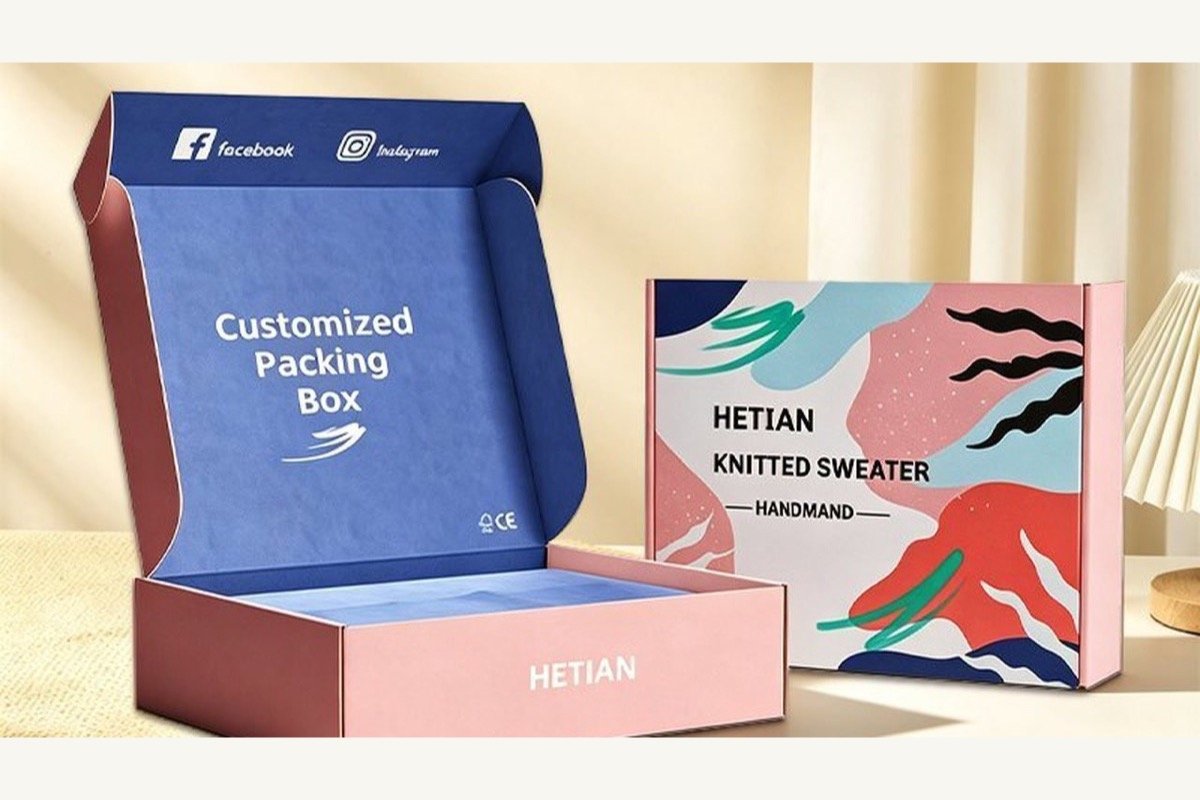
Choosing a custom paper box is easier when the decision starts with the product rather than the visual style. The structure needs to protect the product, support the intended customer experience and work with the way the item will be stored, displayed or shipped.
Define the product requirements
Start with the product dimensions, approximate packed weight and level of protection needed. Fragile, heavy or multi-part products may need a different structure from lightweight retail items. Consider whether an insert, divider or additional support is needed inside the pack.
Consider the sales channel
Retail packaging may need to perform on the shelf, where front-facing branding and product information matter. E-commerce packaging may place more emphasis on shipping protection and efficient opening. Gift and premium products often require a more deliberate presentation when the box is opened.
Choose a structure that matches the experience
Folding paper boxes can suit many retail and e-commerce uses. Rigid boxes can support premium presentation. Mailer, drawer, handled and display formats each serve different product and customer needs.
Plan the visual and production details together
Artwork, material choice and finishing should be considered with the box structure. A clear brief helps the packaging team review the best route for sampling and production.
Provide product dimensions, quantity, target market and a reference style where possible. These four details make the initial packaging review more focused.